

We spent a week in Novi Sad in July of 2025, staying in the historic center. This area of the city is extremely beautiful with its impressive buildings in various pastel colors. The entire historic center is a car free zone with many cafes spilling out into the pedestrian streets! This area is home to a young crowd and a few of these streets are lined with bars and clubs that bump music way past midnight. Our Airbnb was next to one of these party streets, making earplugs a sleeping necessity for us.
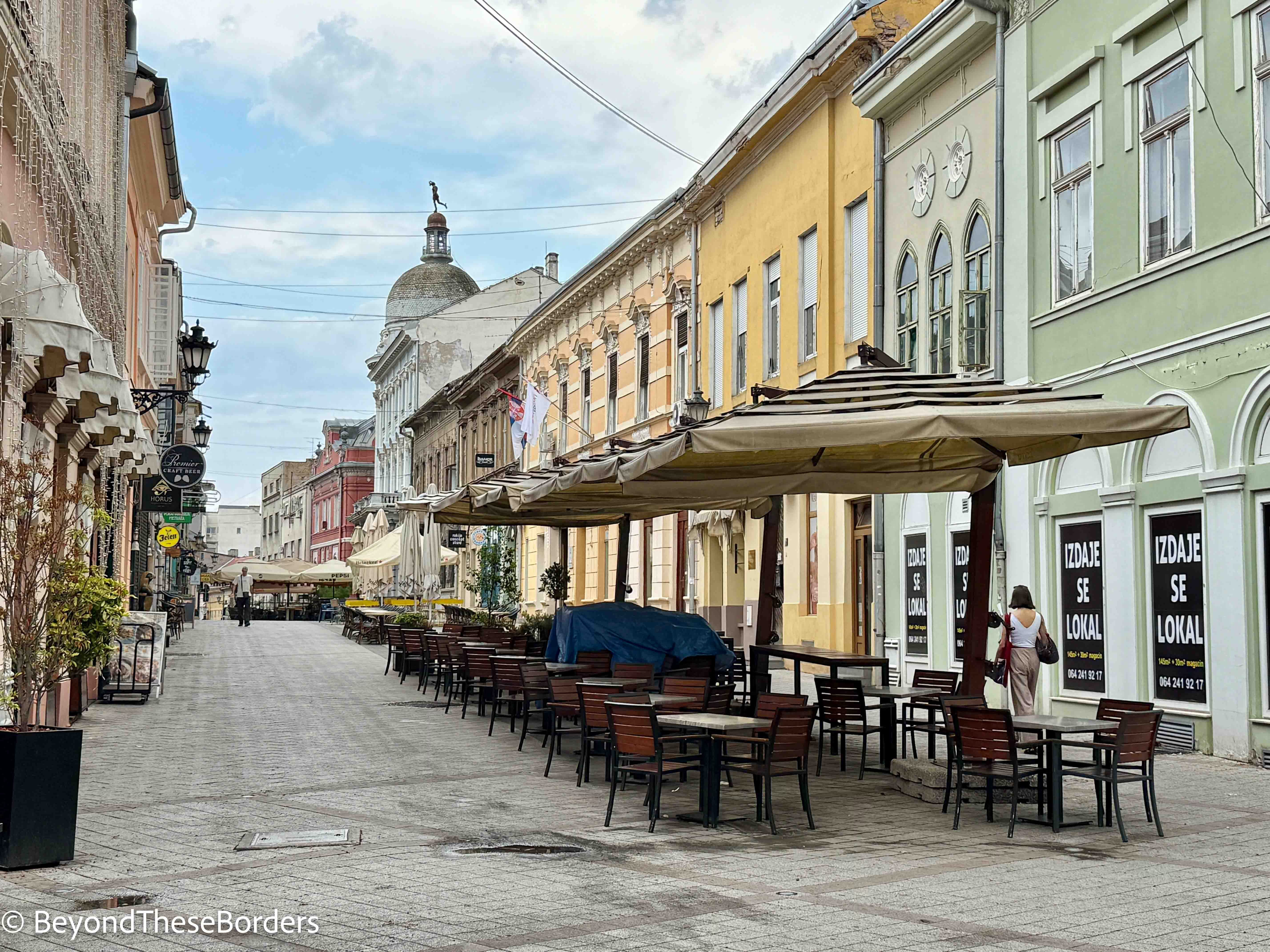
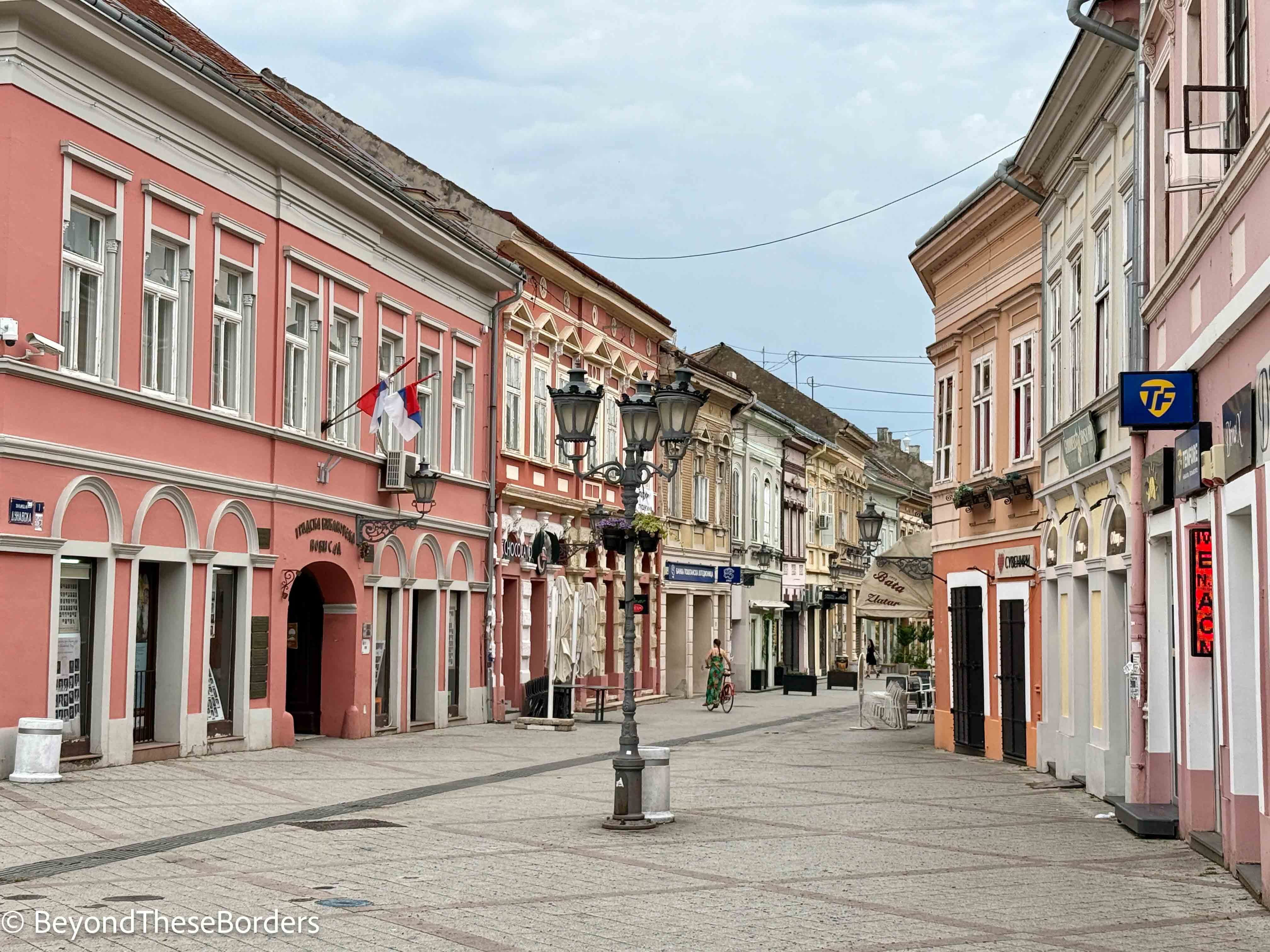
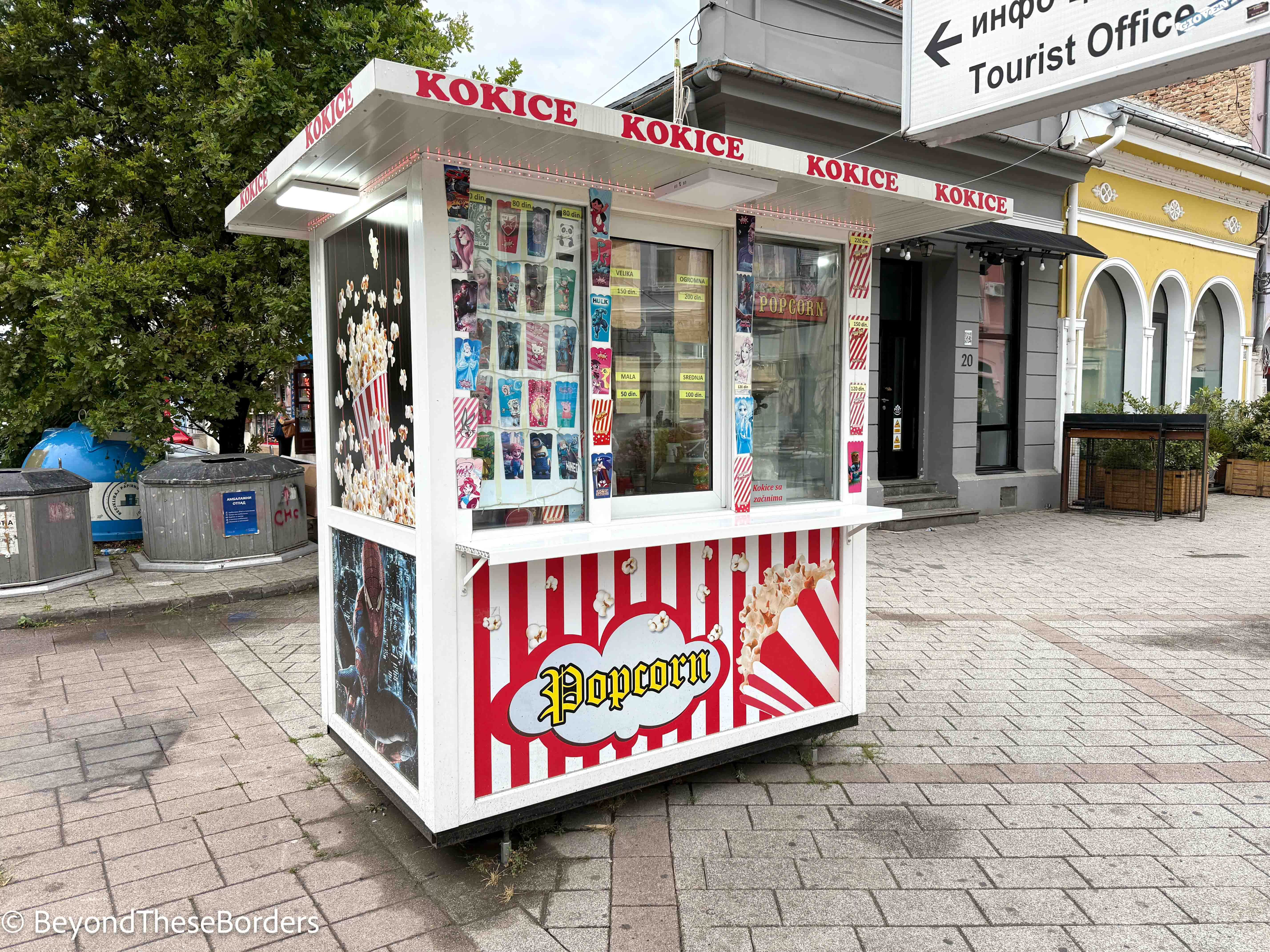
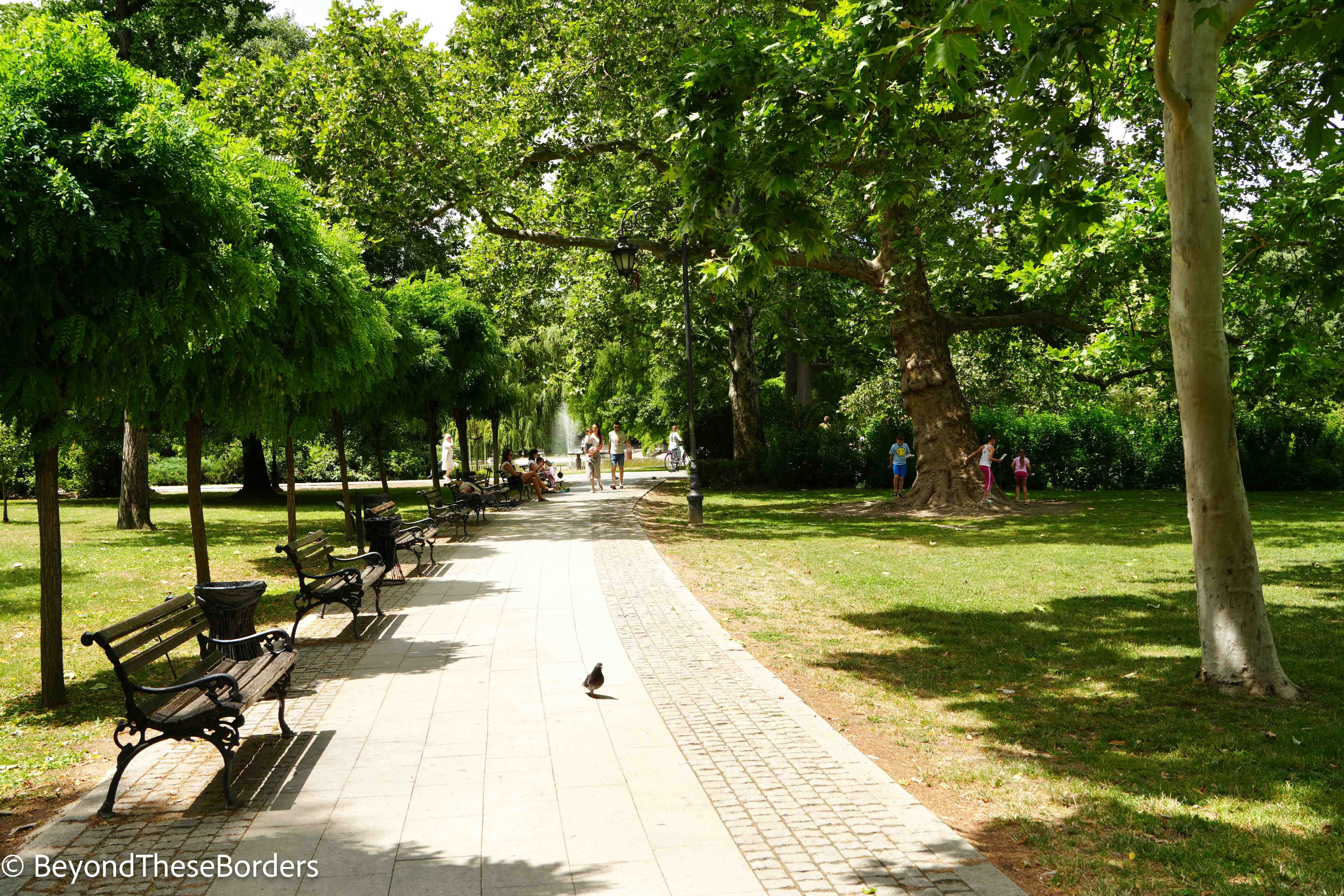
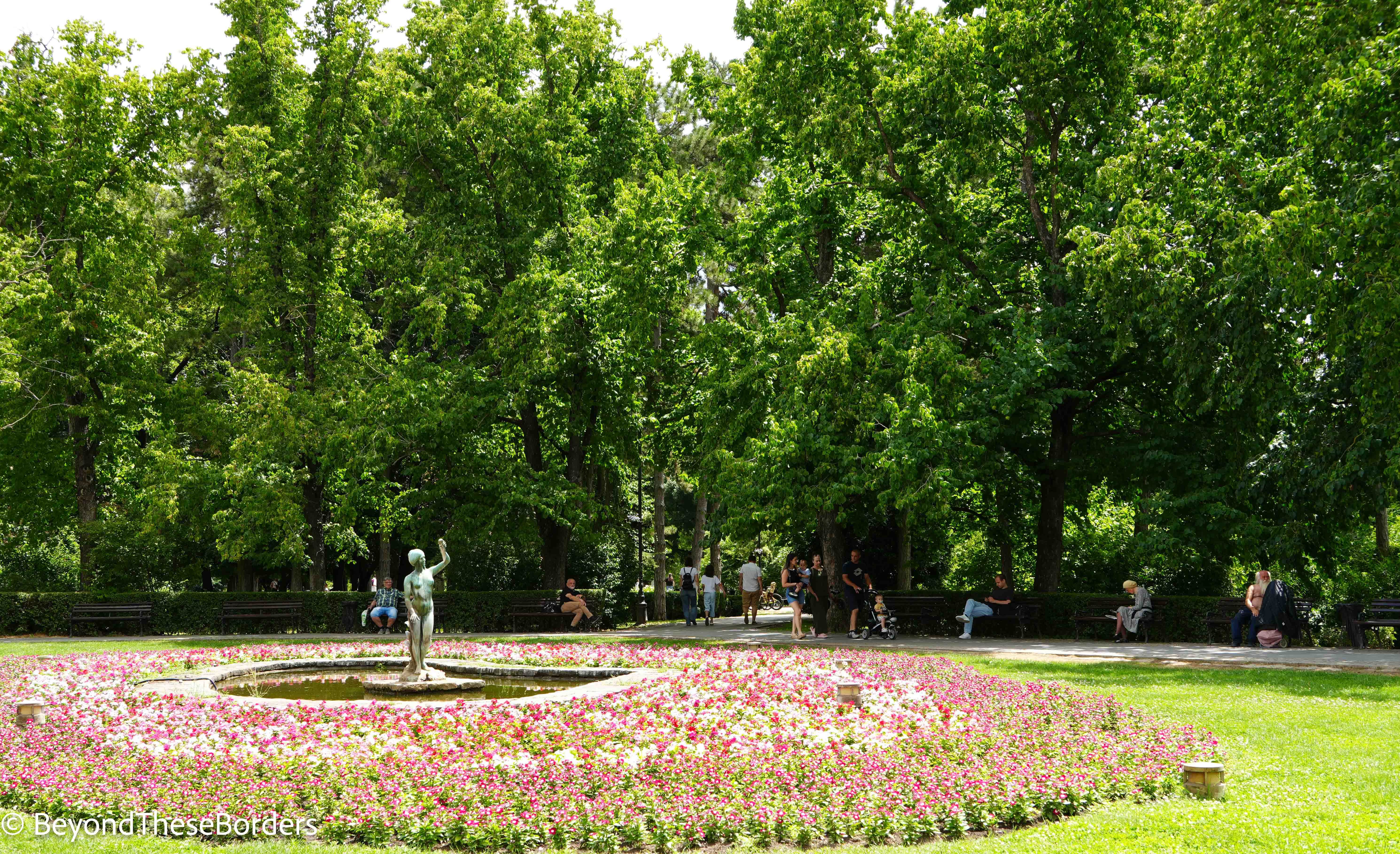
A lovely park rests within the historic center and small popcorn stands are a common site. Novi Sad is an easy place to be a tourist. It is walkable, safe, and most people know English.
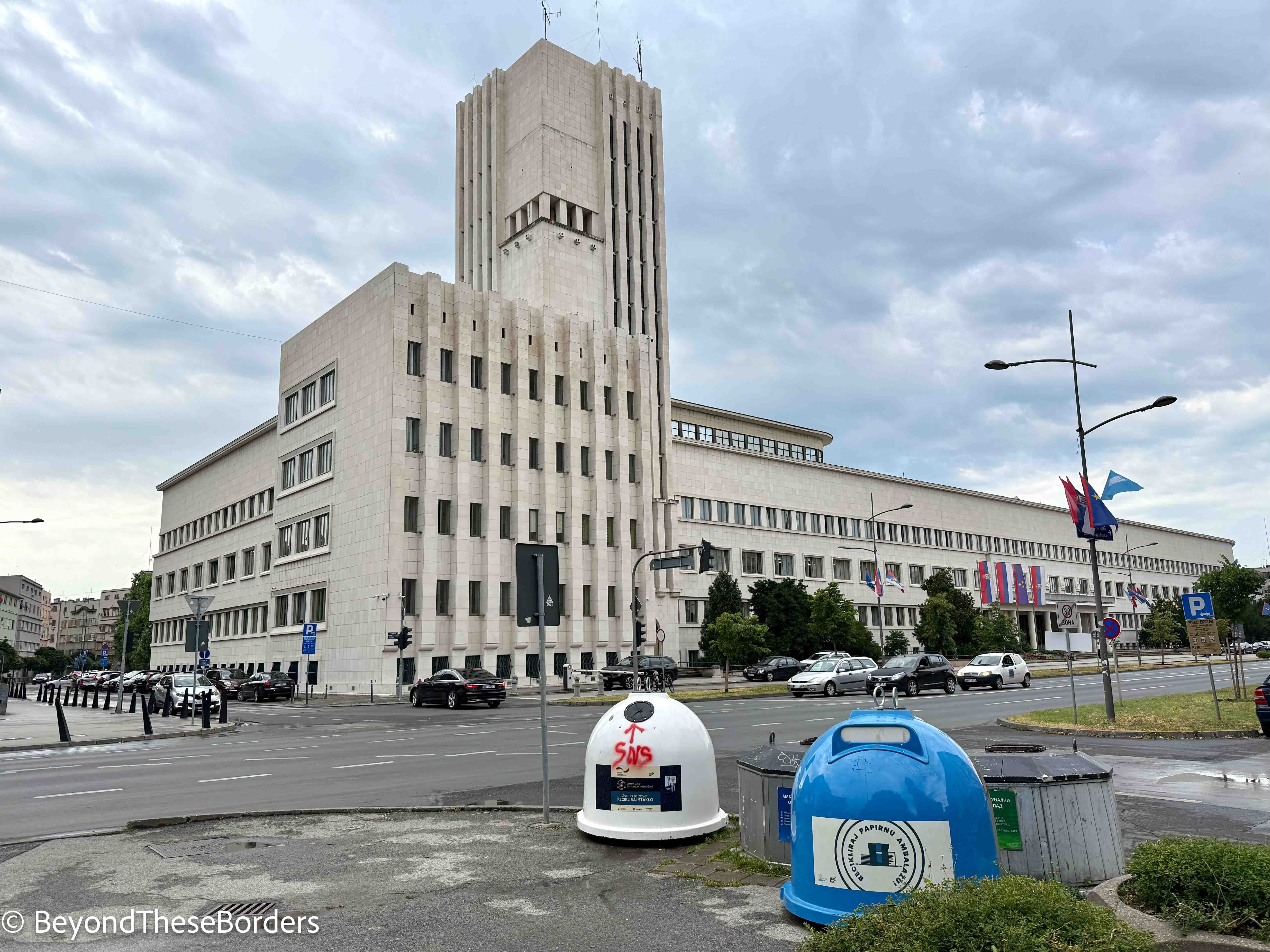
Outside of the historic center many buildings are the concrete communist architectural style. Though there are still beautiful buildings scattered around in these areas.
Most of the tourist sites in Novi Sad are located either in the historic center or a short walk from it. Below are the sites we visited that I would recommend.
Liberty Square
Liberty Square is the main square in the city and is surrounded by the most important buildings including City Hall and Holy Name of Mary Church.
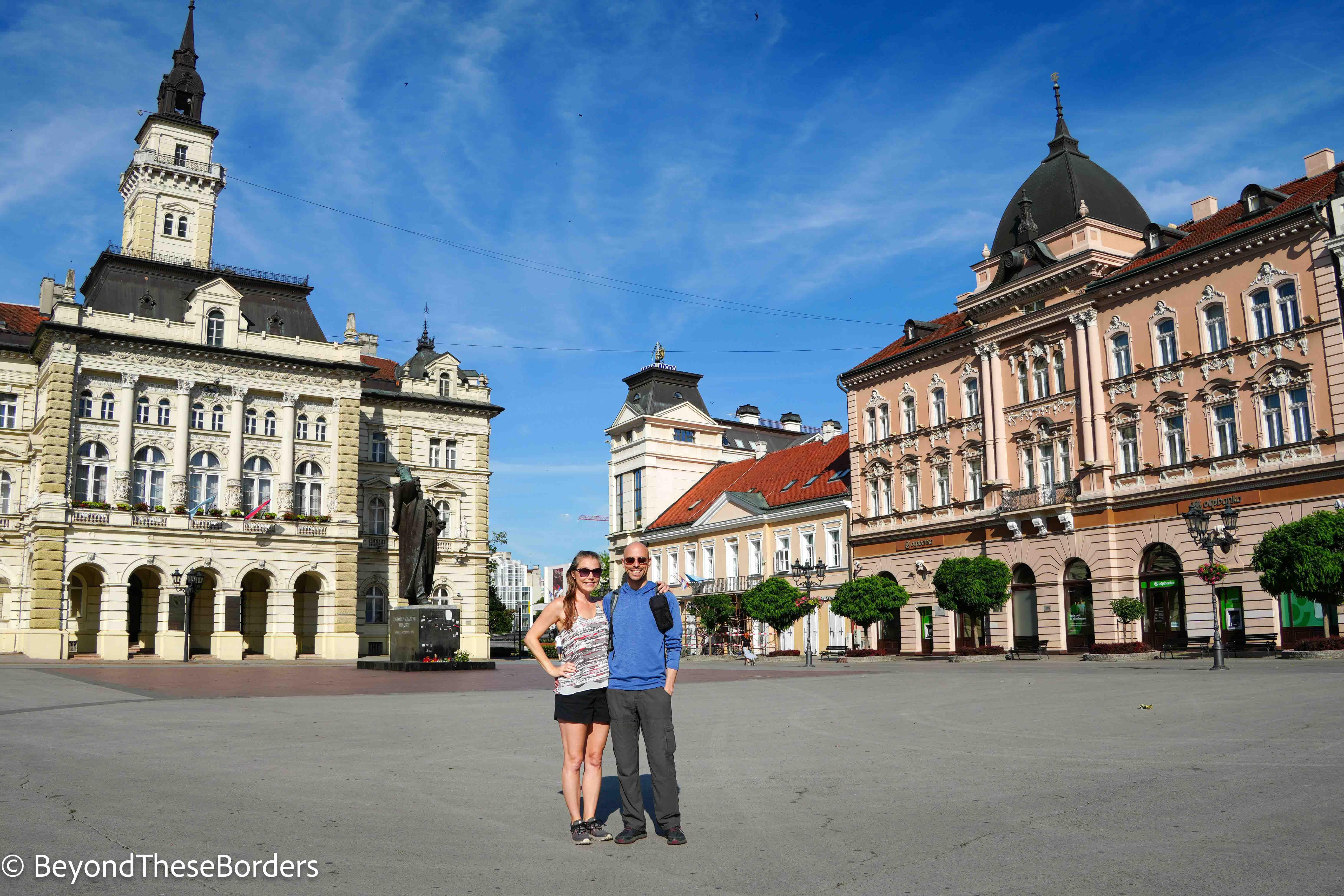
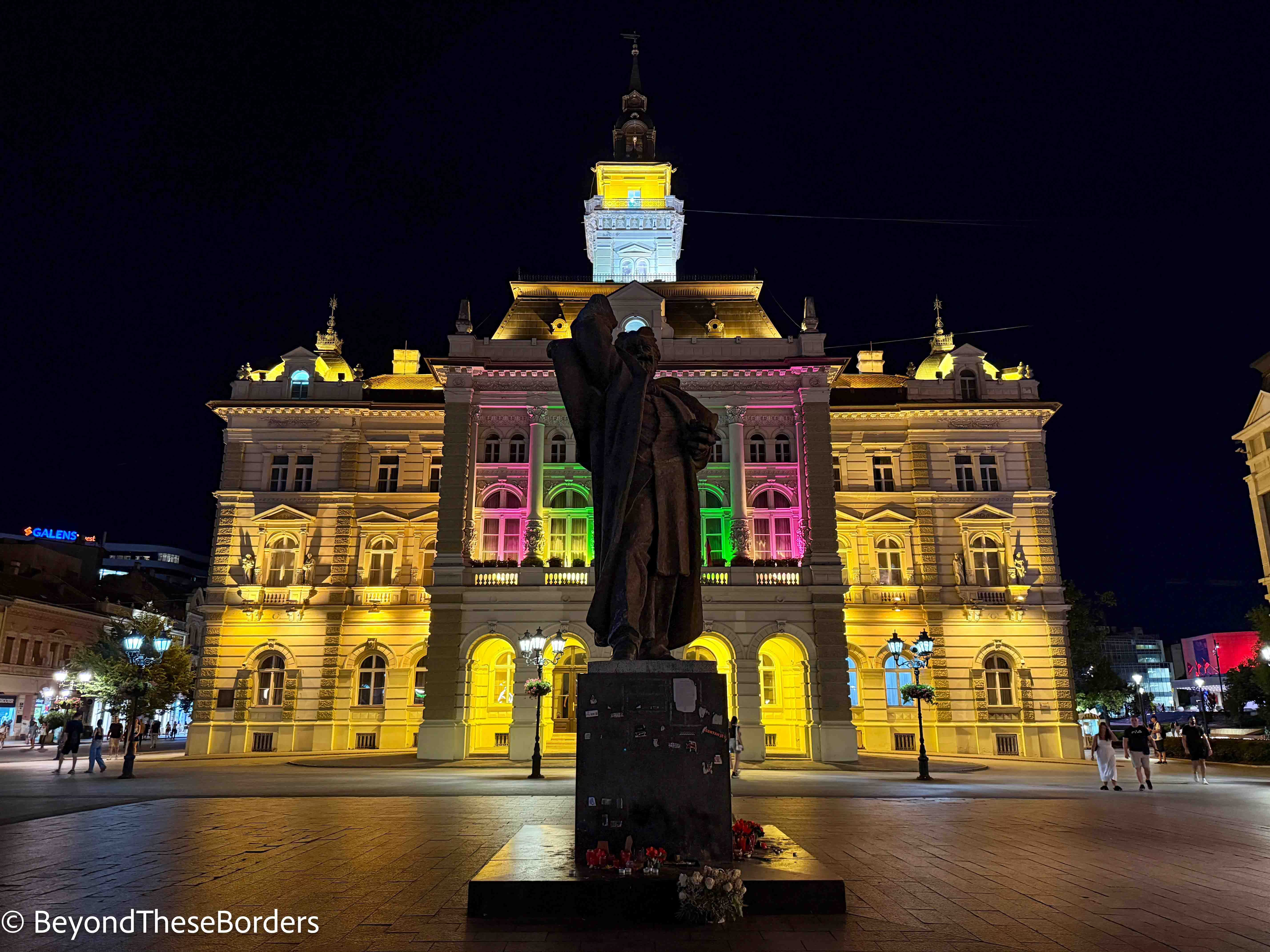
In the center of liberty square is a bronze statue of Svetozar Miletić. He was the most important political person in Novi Sad in the 19th century. His ideas and politics helped mold the Serbian nation.
City Hall
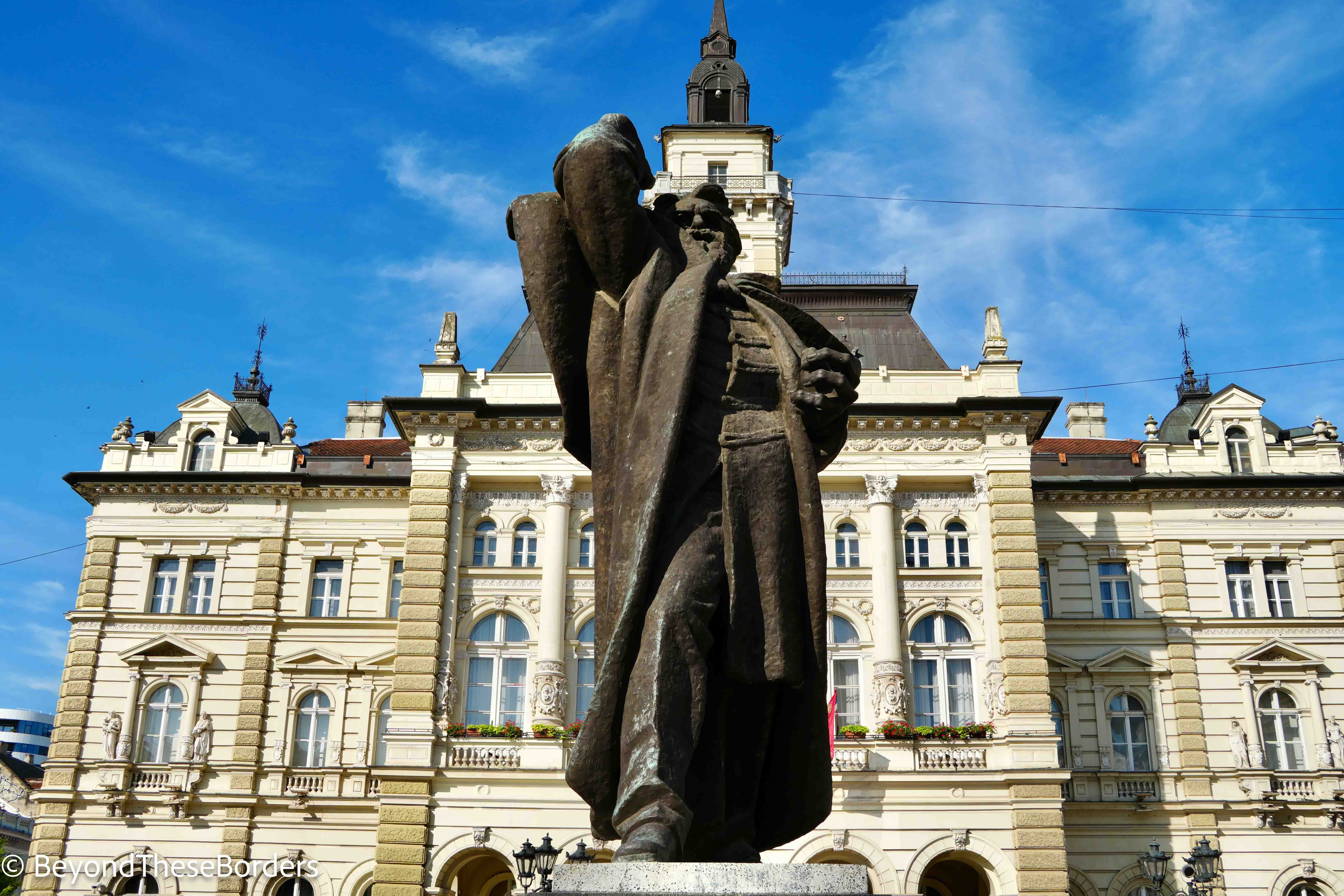
City Hall is the Neo-Renaissance building closest to the statue in Liberty Square. It was built in 1894 in the Neo-Renaissance style. I particularly like the statues of Greek goddesses surrounding the building on the second level. At night, the building is illuminated giving the square an inviting atmosphere.
Holy Name of Mary Church
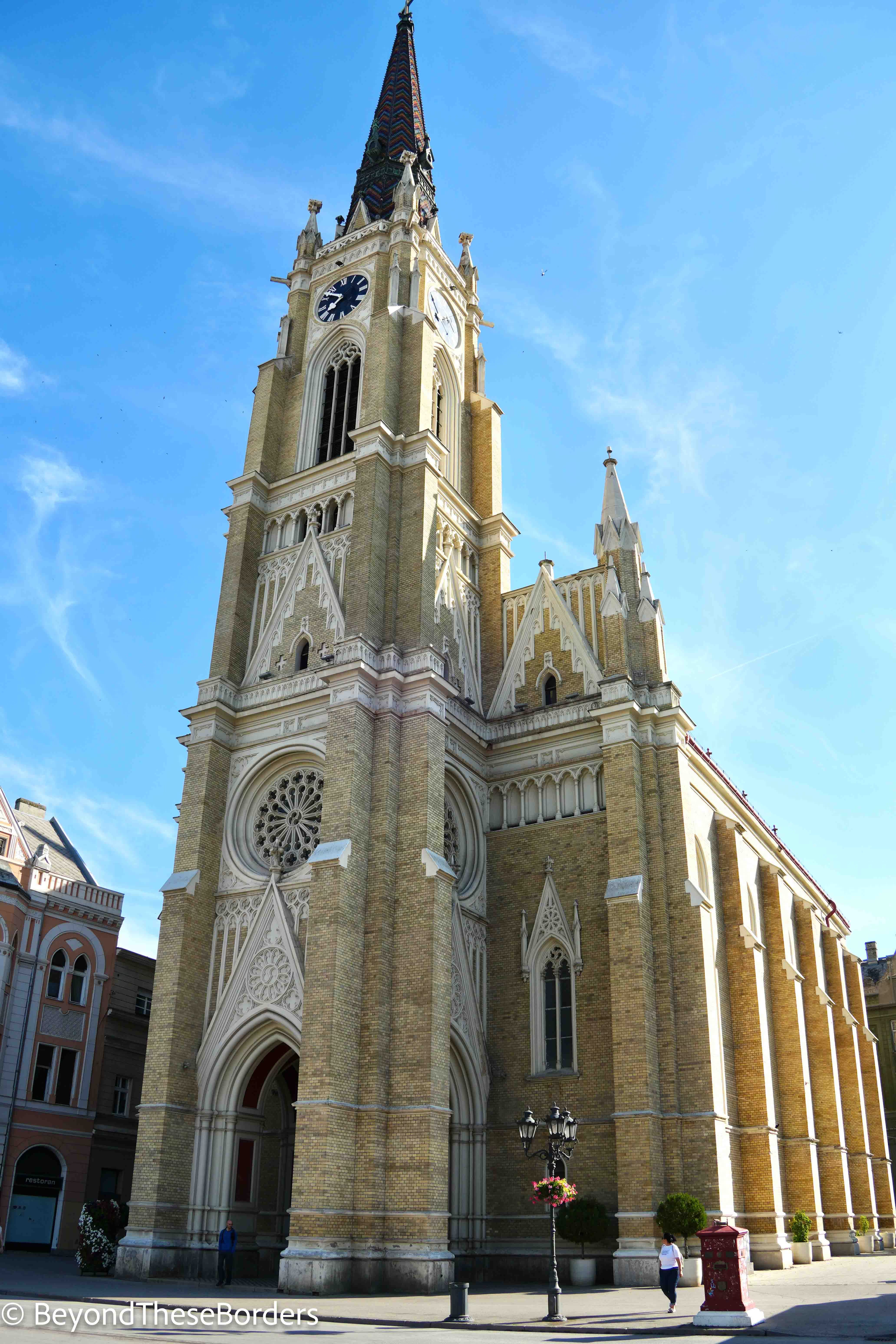
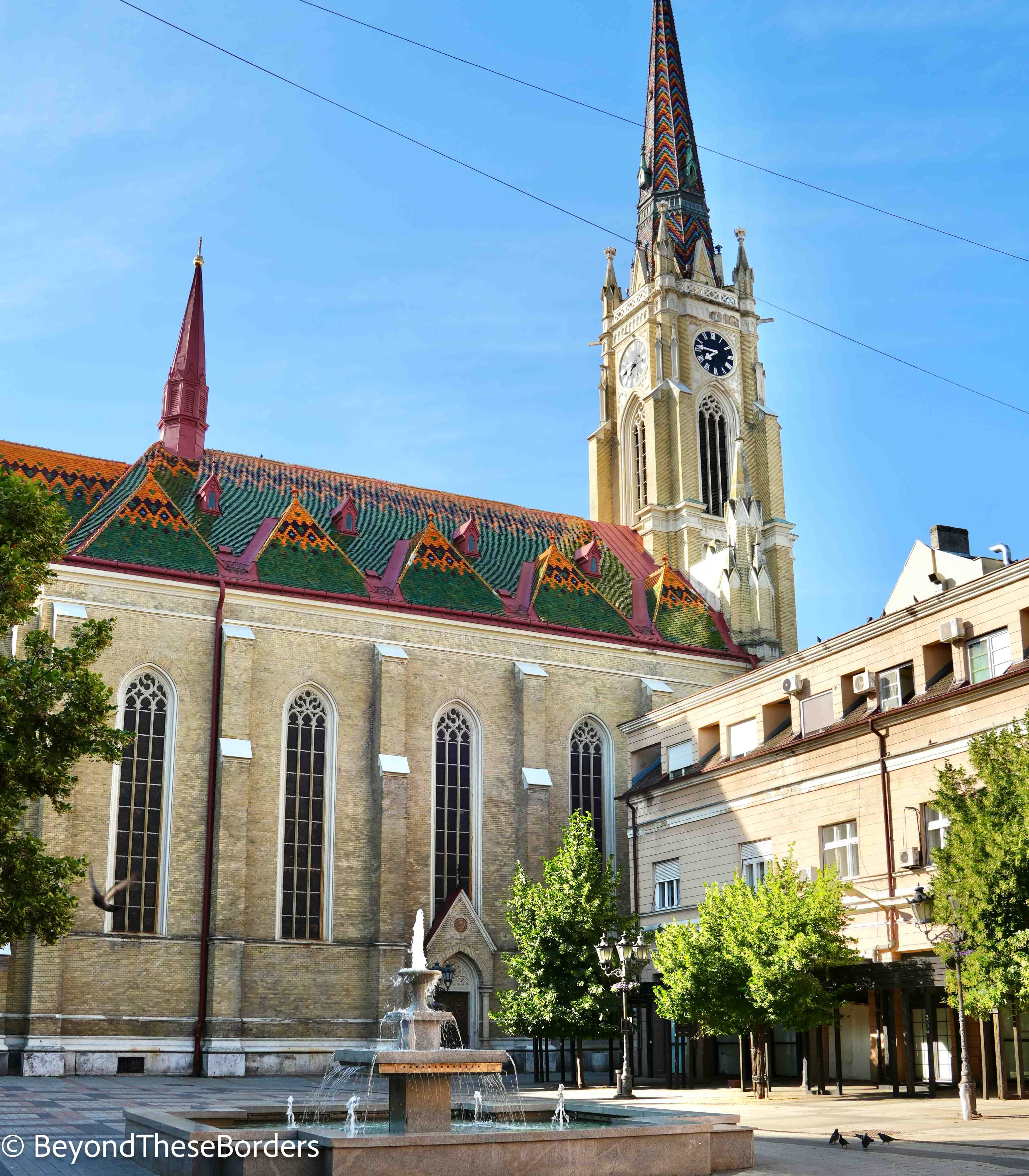
The star of the square is the Neo-Gothic style Roman Catholic Church, Holy Name of Mary. Construction finished in 1894 and it is the largest religious building in the city with a tower that is 73 meters high. I love the colorful roof and spire. The orange, green, and purple designs add a unique character to this church.
Bishop’s Palace
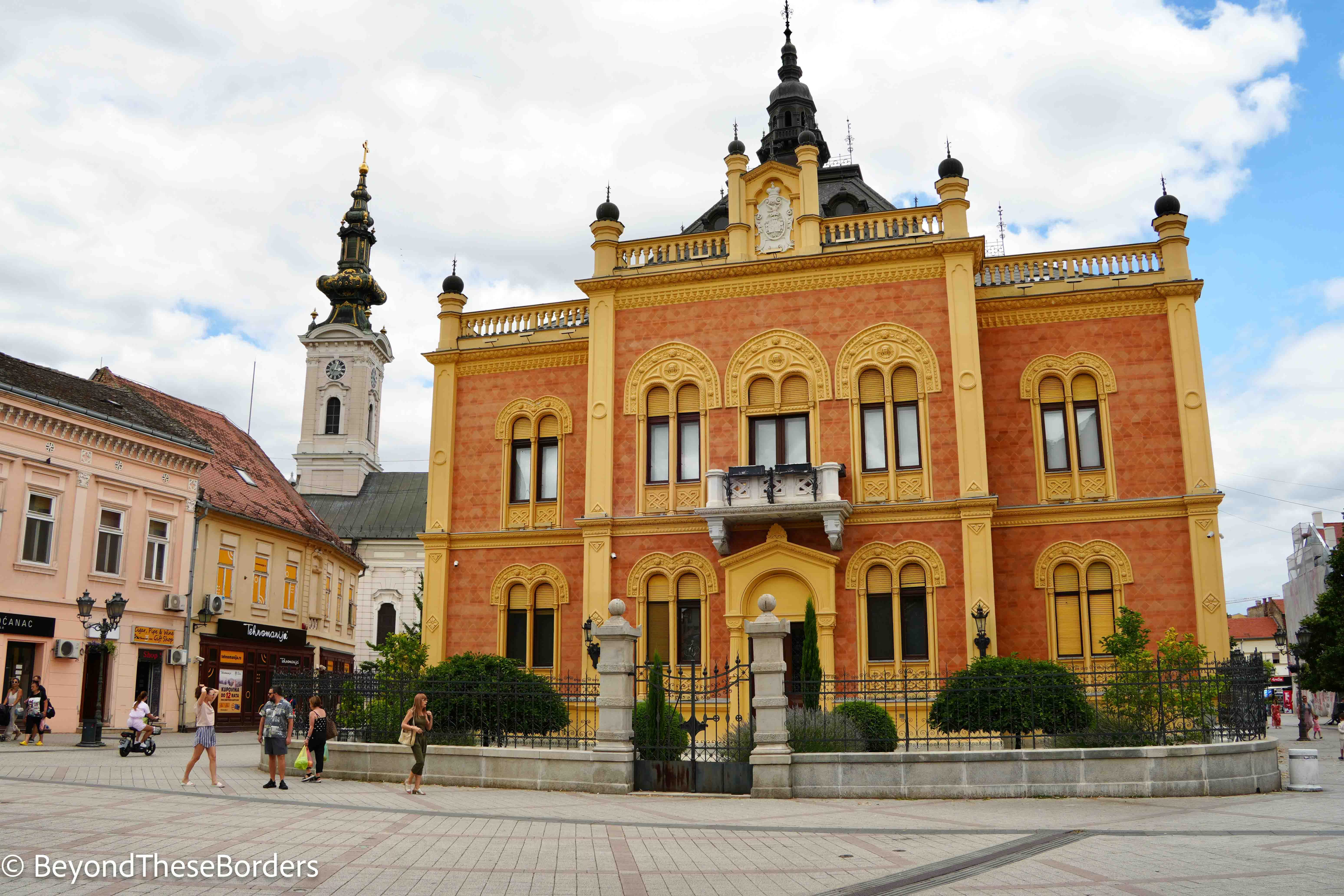
A short walk from the above square is the Bishop’s Palace erected in 1901 in Serbian Byzantine style. In front of the Bishop’s Palace is the monument to the famous poet Jovan Jovanović Zmaj, though I didn’t get the monument in my photo.
St. George Cathedral
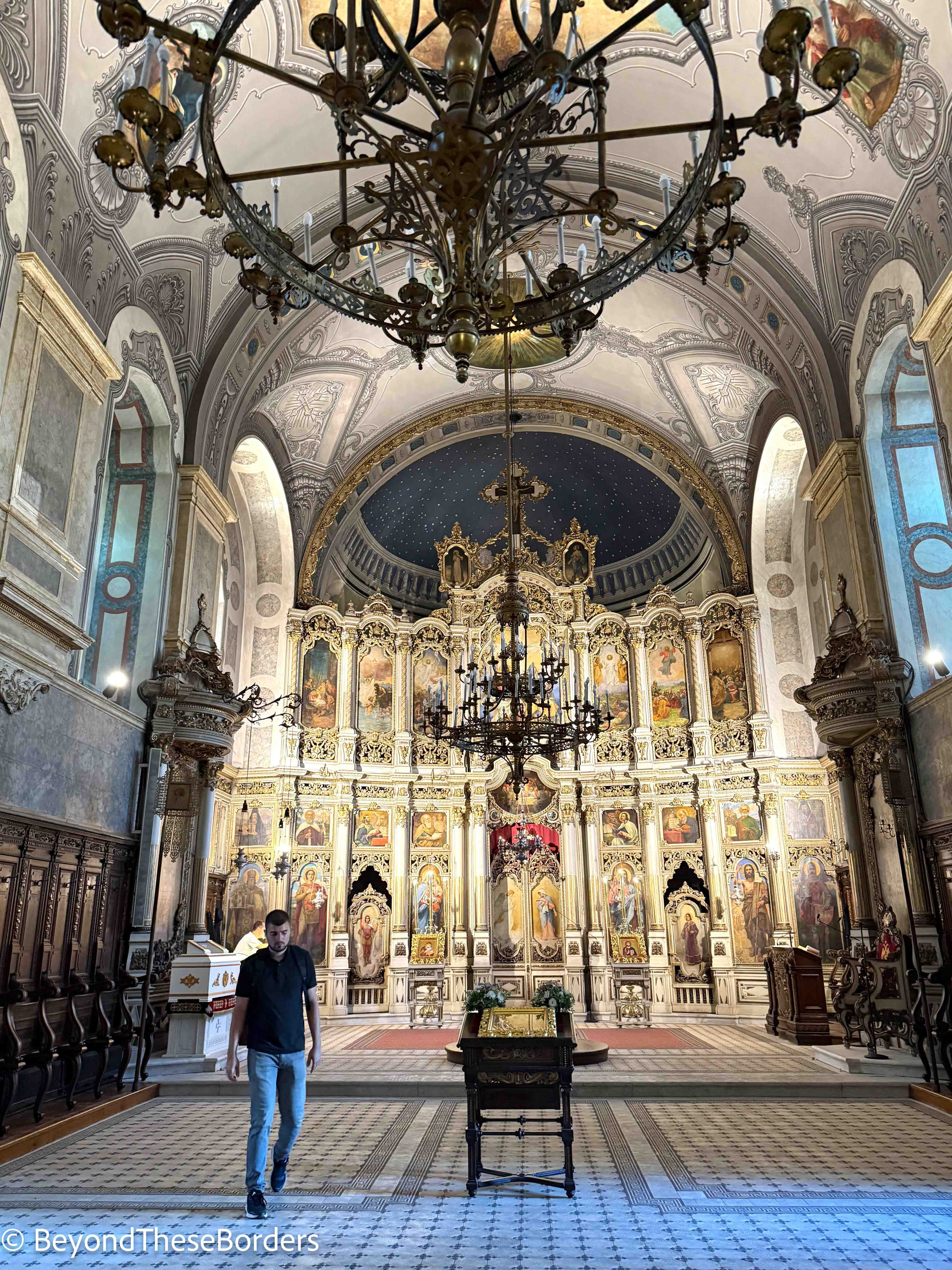
St. George Cathedral, a Serbian Orthodox church, is located near the Bishop’s Palace. It can be seen sticking up in the background on the left when looking straight at the Bishop’s Palace. It was built between 1860-1880, and a new tower and the stained glass windows were added in 1905.
The National Theatre
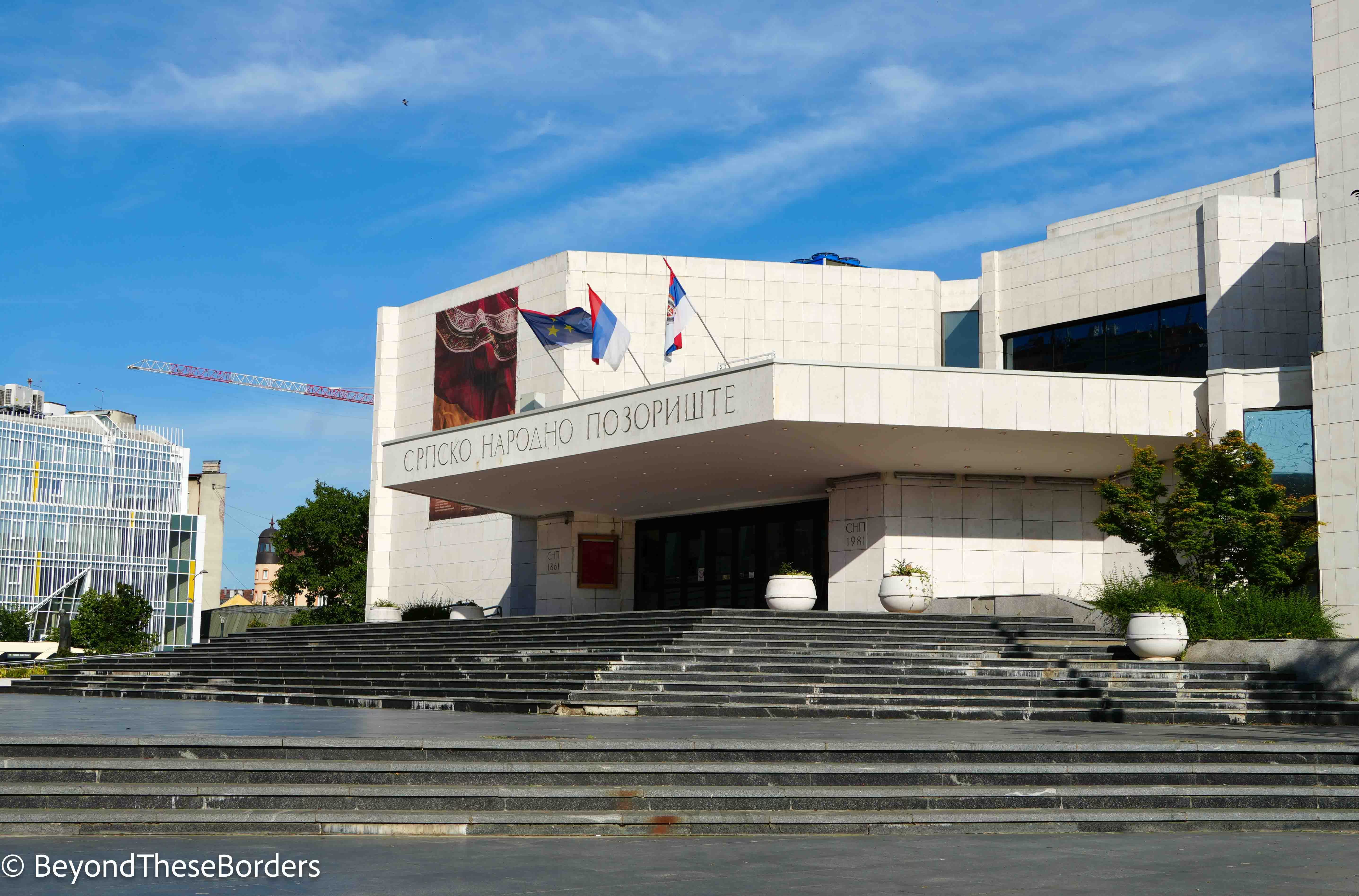
The National Theatre is on the edge of the historic center. The modern design contrasts with all the historic buildings around it. The current building opened in 1981.
Jewish Synagogue
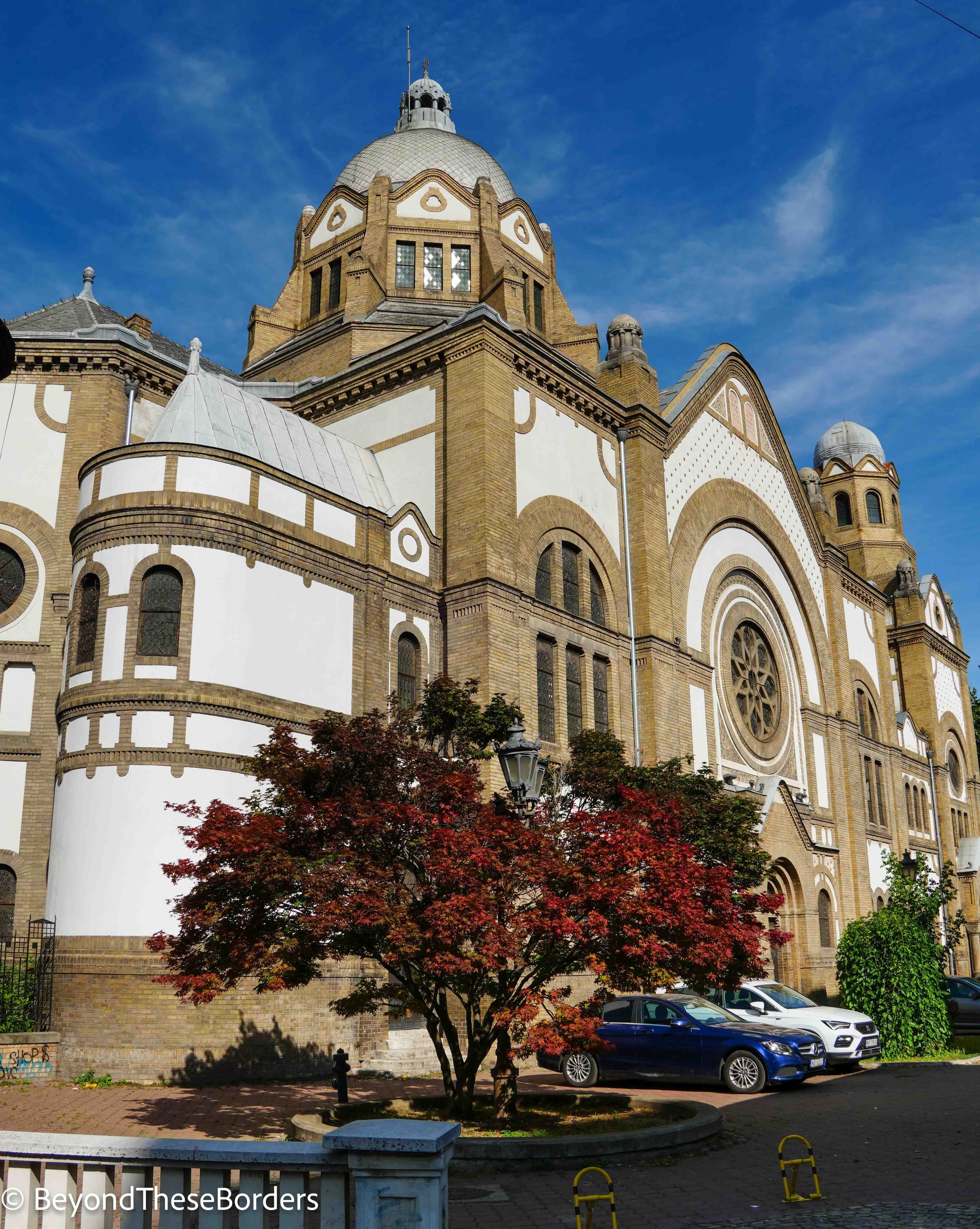
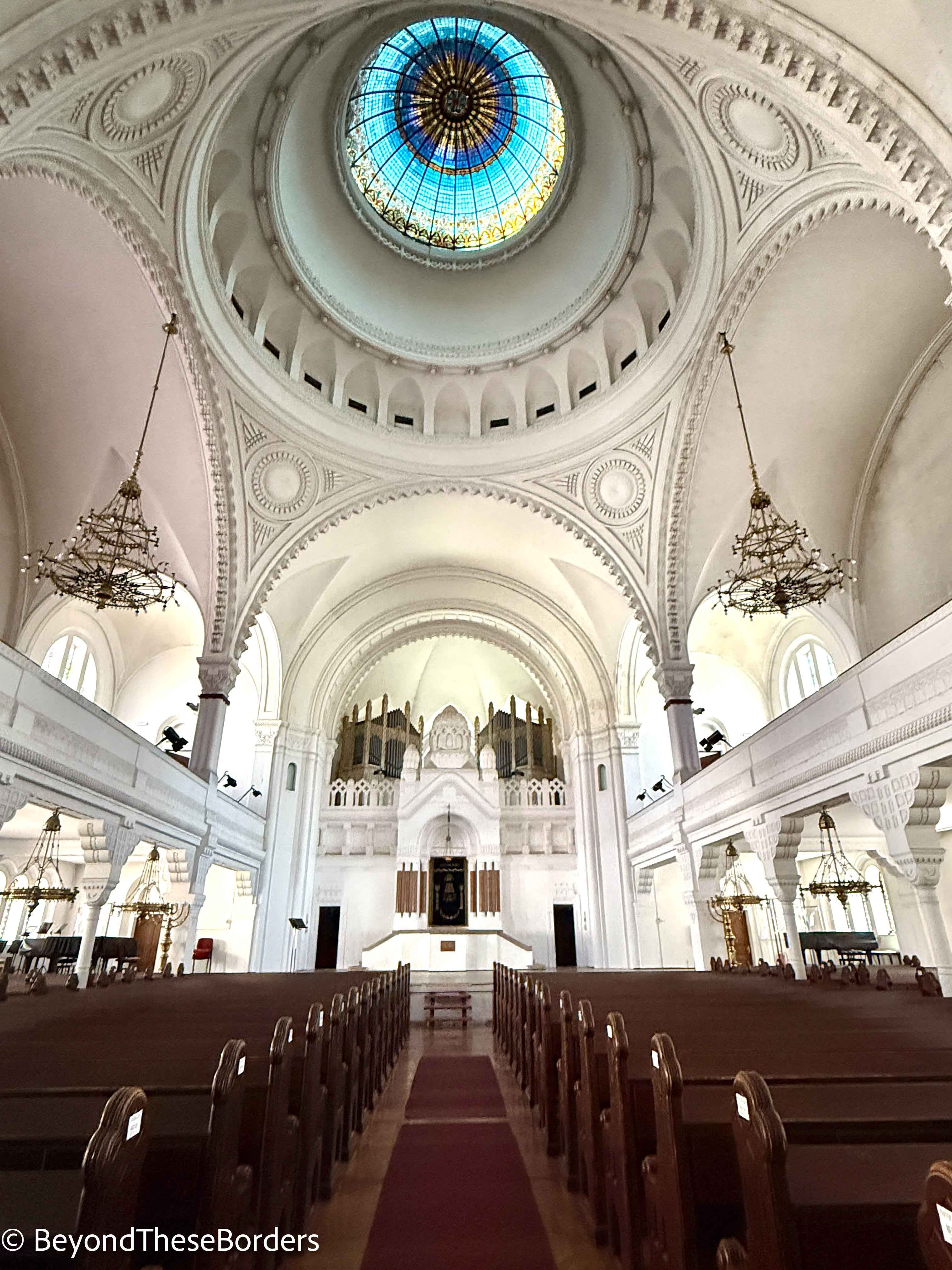
The Jewish Synagogue is a short walk south from Liberty Square and the National Theatre. It’s outside of the pedestrian-only historic center, but not by very far. The building is built between 1906 and 1909 in Art Nouveau style. Signs outside the synagogue provide information about the synagogue and the fate of the local Jewish people during Nazi occupation. In 1944 the Jewish population was rounded up, kept in the synagogue for 2 days, then deported to concentration camps. The majority were sent to Auschwitz.
Futoška pijaca
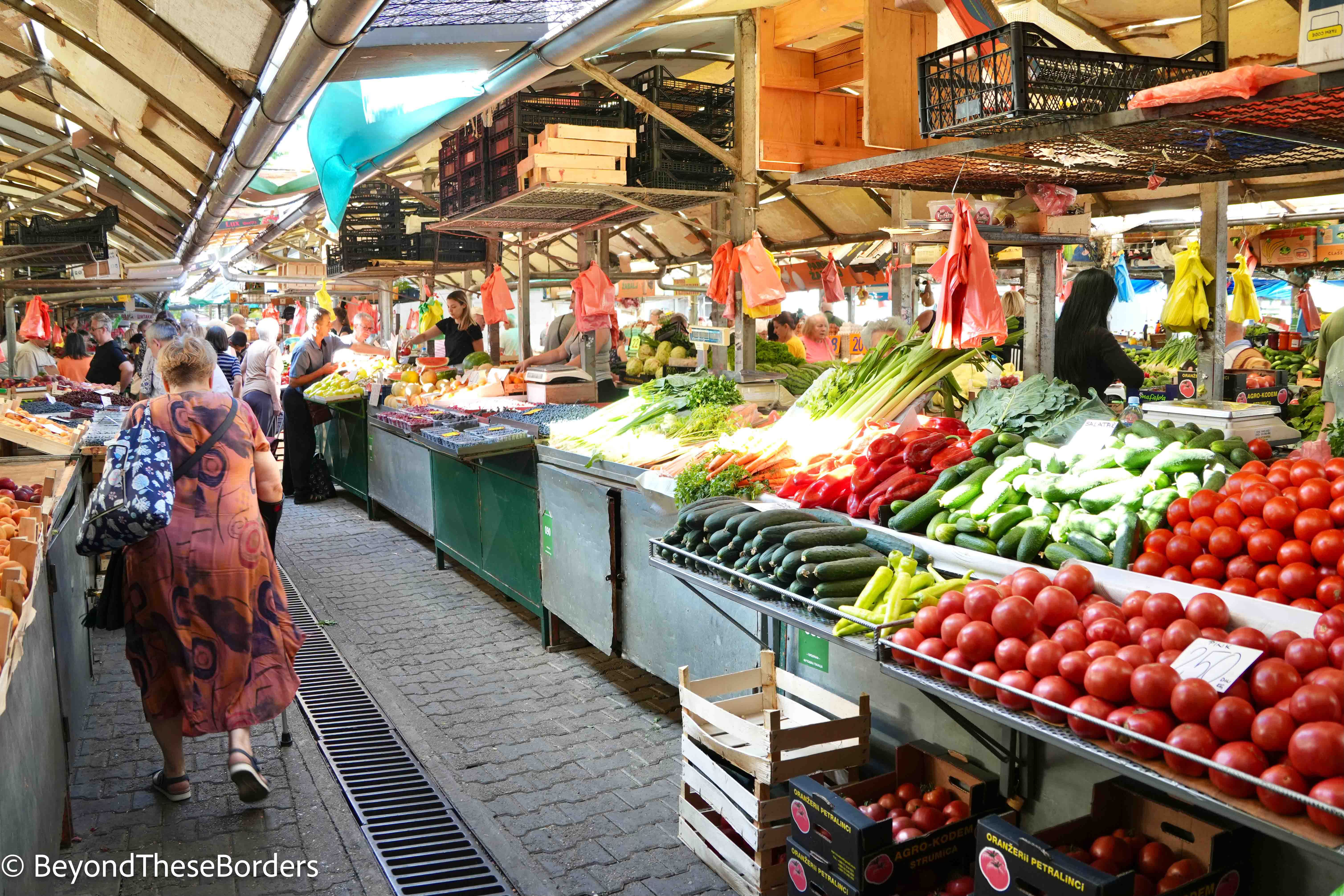
Futoška pijaca is a popular morning market not far from the Synagogue. We visited on a Saturday morning and it was busy with locals purchasing fresh fruits and vegetables from rows of stalls. There were also areas of the market selling clothing and other areas selling house goods and toiletries like shampoo.
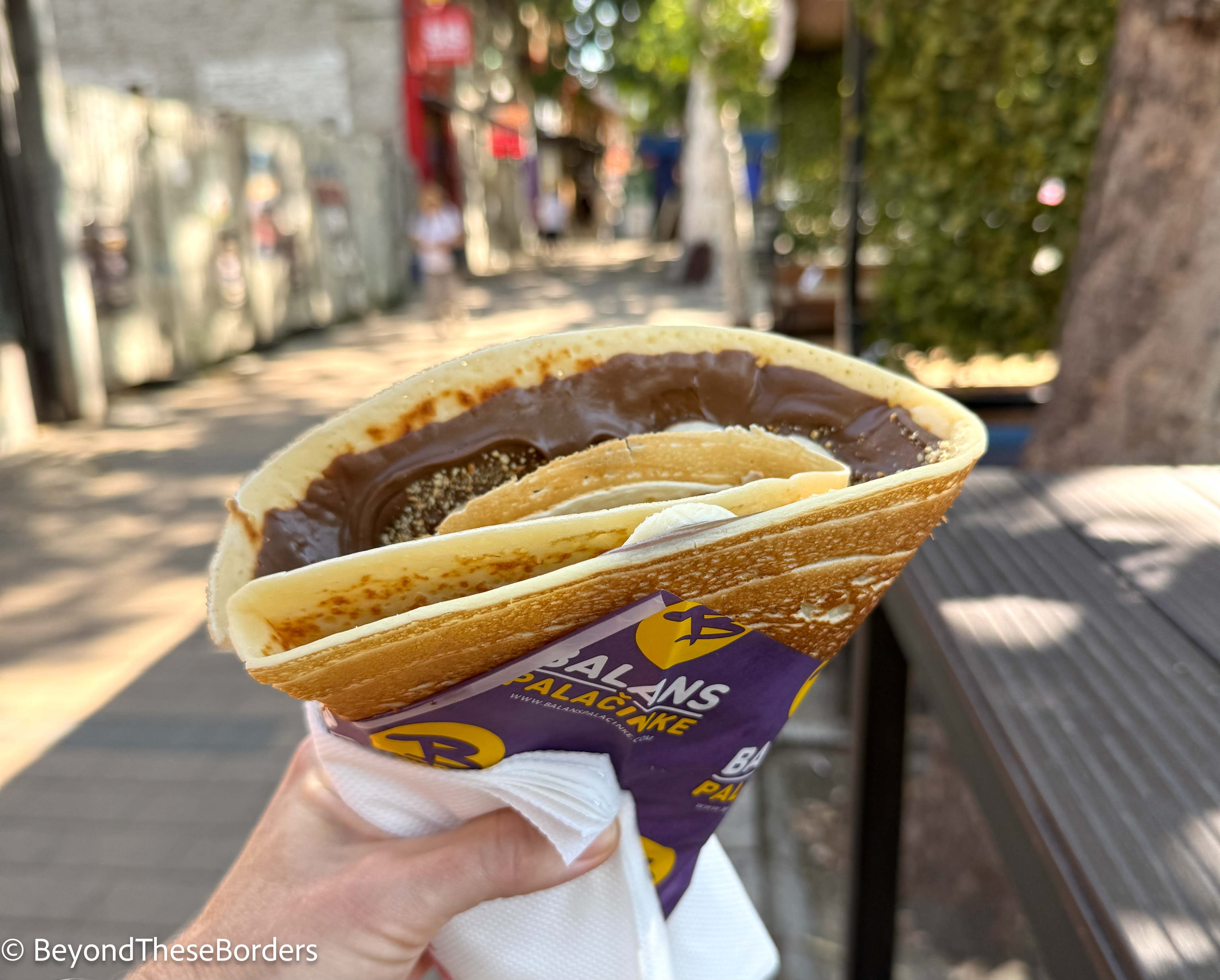
After the market we stopped at a shop to try a local snack called Palačinke. Palačinke is a thin Balkan style crepe that is covered with a sweet or savory filling and folded. It was very sweet, decadent, and delicious. A popular topping to add is “Plazma” which I ordered not knowing what it was. It is a brand of biscuit that they crush up as a topping.
Petrovaradin Fortress
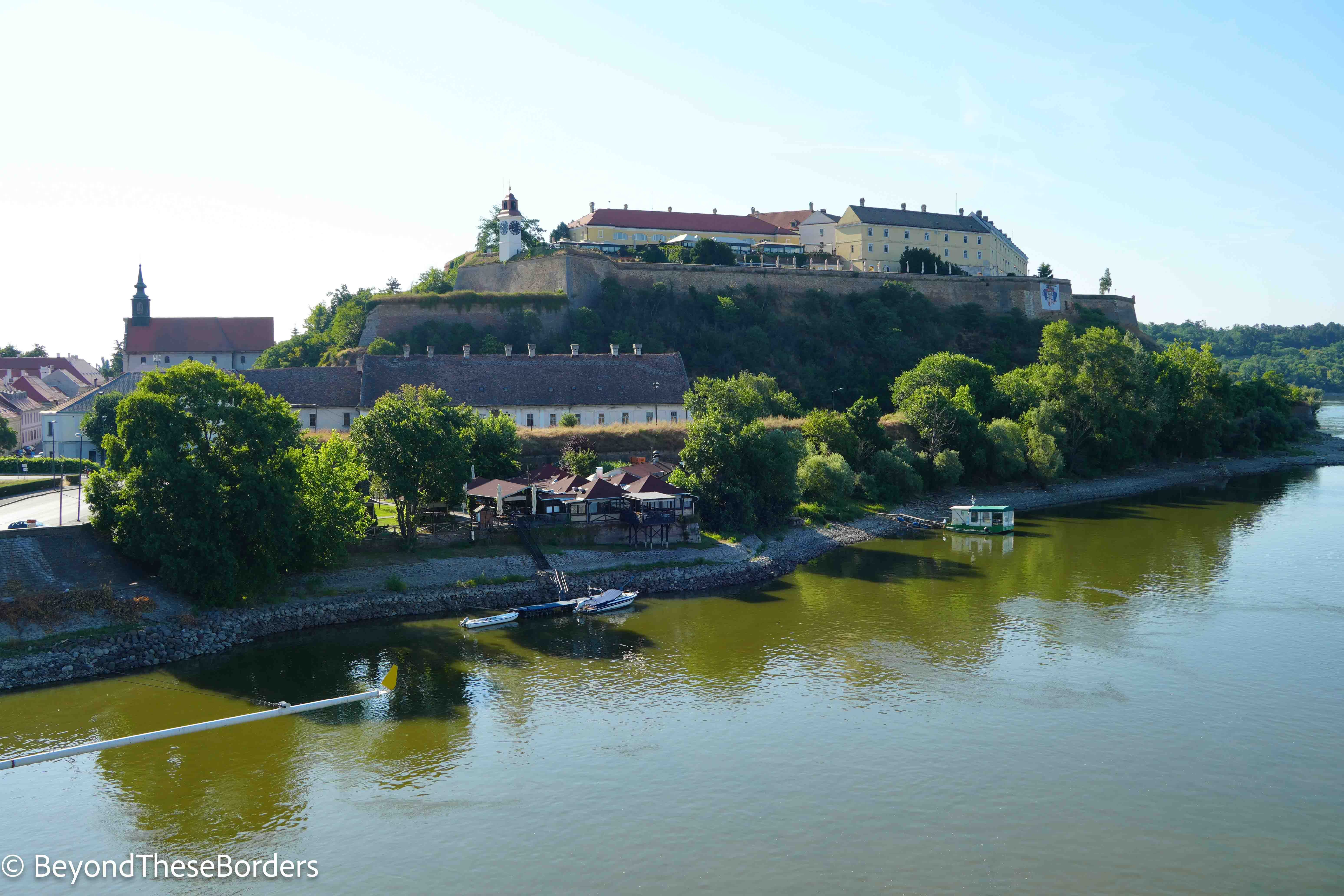
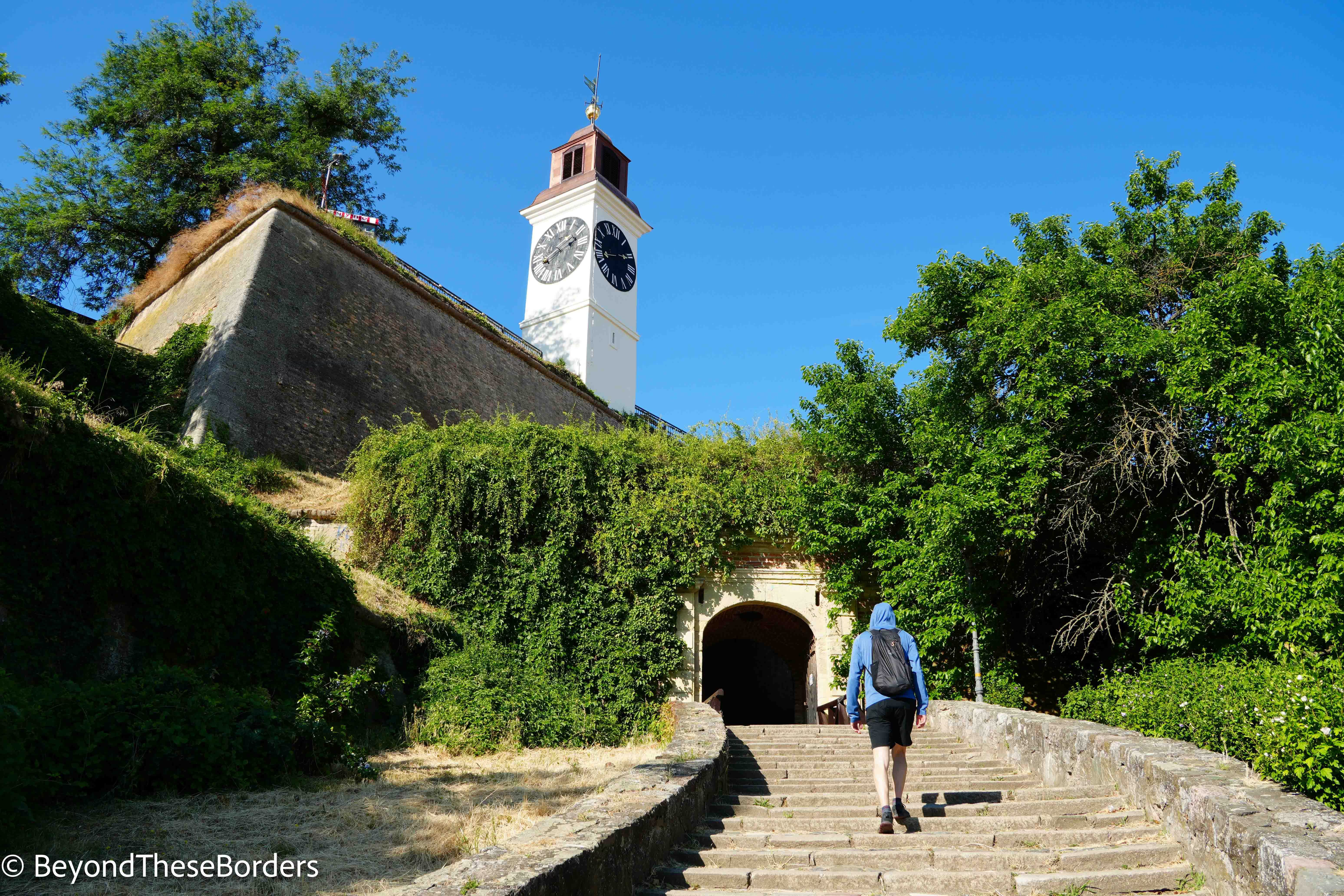
Petrovaradin Fortress is famous for never being conquered. It looks over Novi Sad from just across the river and was built in the period from 1692 to 1780. The Clock Tower is found in the Upper Town portion of the fortress and is unique because its large hand shows the hours while the short hand shows the minutes. The clock was nicknamed “The Drunken Clock” by locals because the old mechanism that runs the clock is affected by temperature, causing it to run fast or slow at times.
The fortress has many underground tunnels which run over 16 km but you will need to find a guided tour if you want to access them. We didn’t visit these tunnels.
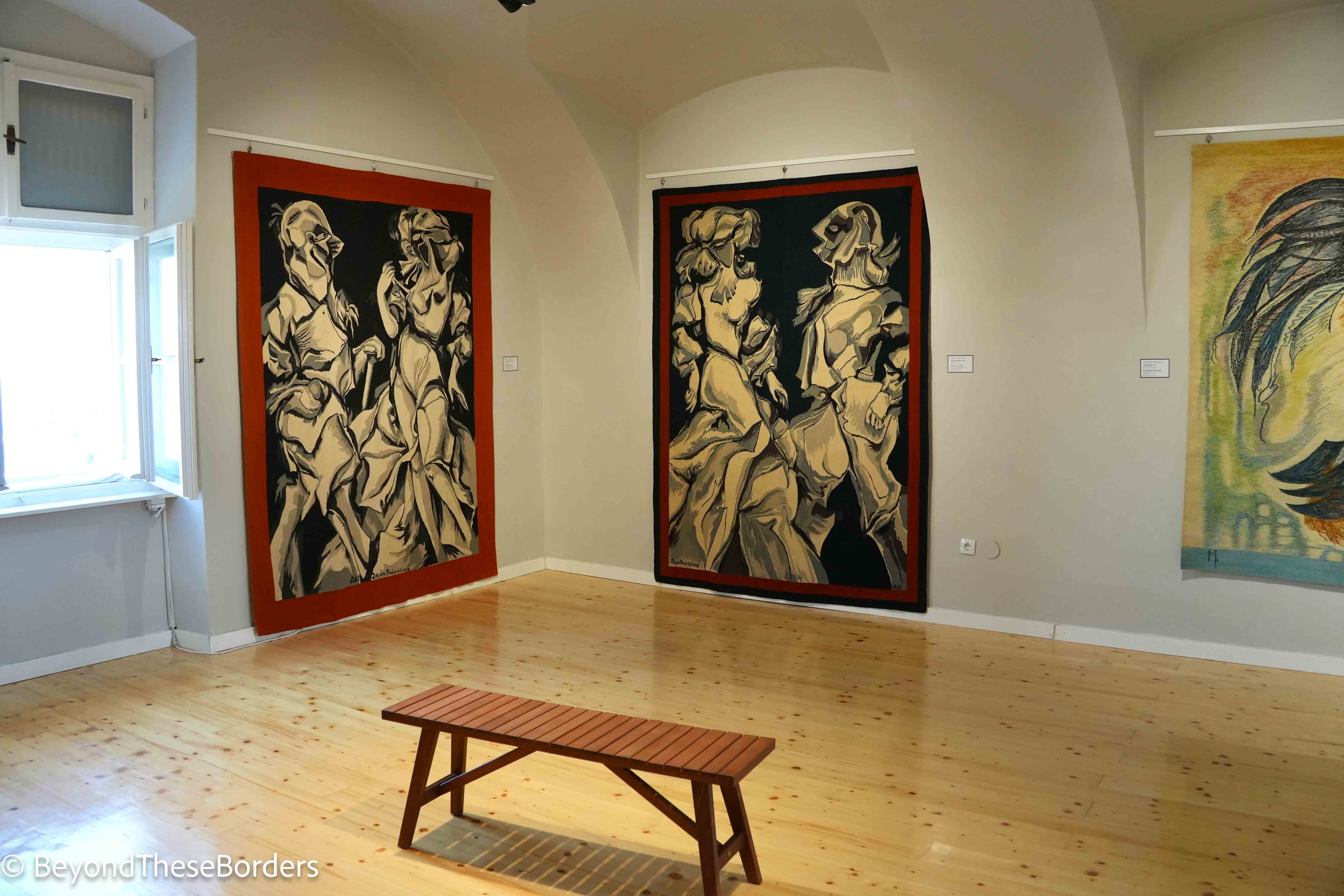
A few art studios reside within the fort as well. We were invited into the tapestry museum where we saw experts creating new tapestries as well as some impressive ones on display. It is one of only five tapestry ateliers in Europe.
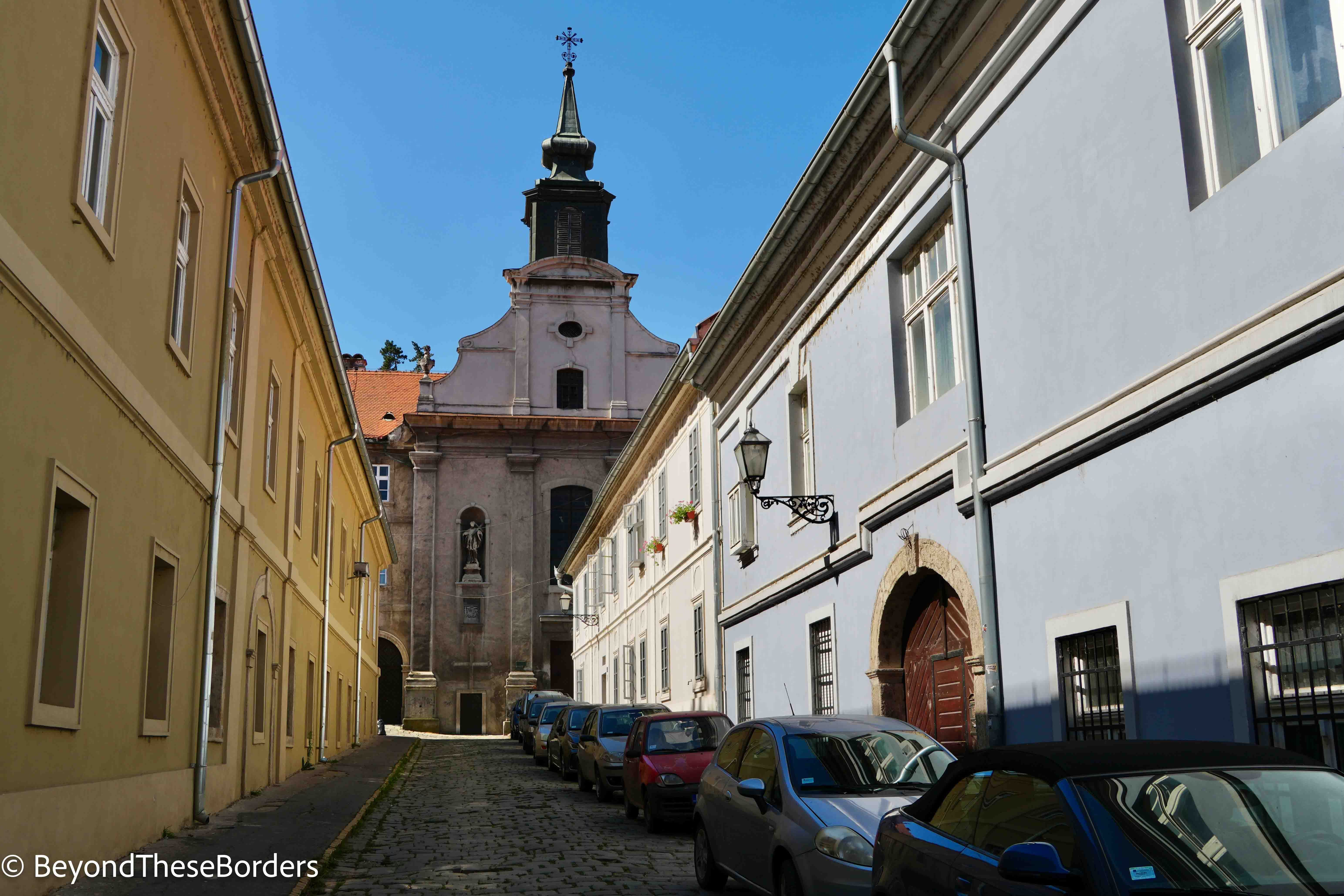
The Lower Town of the fortress was shaped into a military complex during the 18th century. It includes housing, barracks, churches, gates and bastions. We passed the Roman Catholic Church of St. George as we found our way into the fortress. I did find it a bit confusing that the Orthodox Church in the historic center and this Catholic Church are both named St. George.
Each July a popular music festival called “The Exit Festival” is held at the Petrovaradin Fortress. We saw gates that were already being set up in preparation for the festival as we visited at the very beginning of July. More than 200,000 people come to see over 1,000 performers on more than 40 stages at this epic event each year.
That wraps up our time in Novi Sad with one exception. We visited the nearby town of Sremski Karlovci and tried out the local wine created in the area. The next post will be about this cute town.